
This morning at the MUDEC in Milan, they presented the new edition of BCC Arte & Cultura, for which we digitized tens of artworks, and created a 3D gallery: here is the official report
Category: link
-
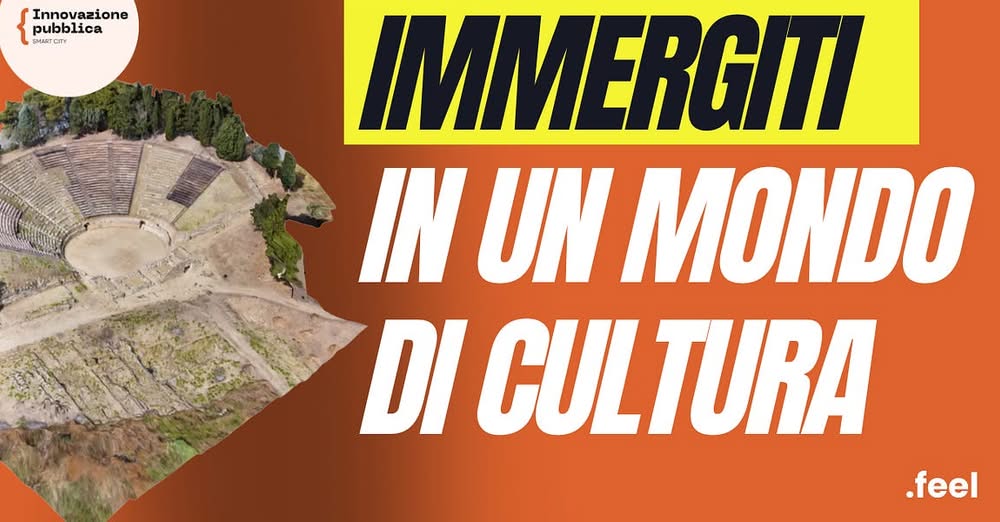
Media appearance: Innovazione Pubblica
After we went to SmartExpo in Rho, they wrote about us in the InnovazionePubblica Substack:
https://innovazionepubblica.substack.com/p/immergiti-in-un-mondo-di-cultura?r=5gfls9
-
Linkpost: brilliant 3D webgame
This has been making the rounds of all the popular link aggregators, and it is truly brilliant: https://messenger.abeto.co/
This is truly a reference of everything we’re striving for, it’s just that we also want to support VR headsets.
One of the creators has a talk explaining how they work:
-
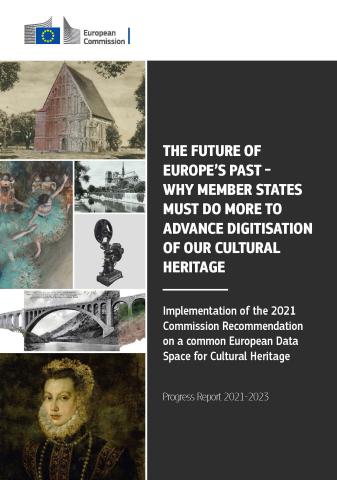
Linkpost: EU Report calls on Member States to accelerate Digitisation of Cultural Heritage
From June 2025: The European Commission has published the report “The Future of Europe’s Past – Why Member States must do more to advance digitisation for Cultural Heritage”.
Direct link to the report: https://op.europa.eu/en/publication-detail/-/publication/8d2435d7-31fe-11f0-8a44-01aa75ed71a1
If you or your organization need help with you Cultural Heritage digitisation efforts, you know where to find us!
-
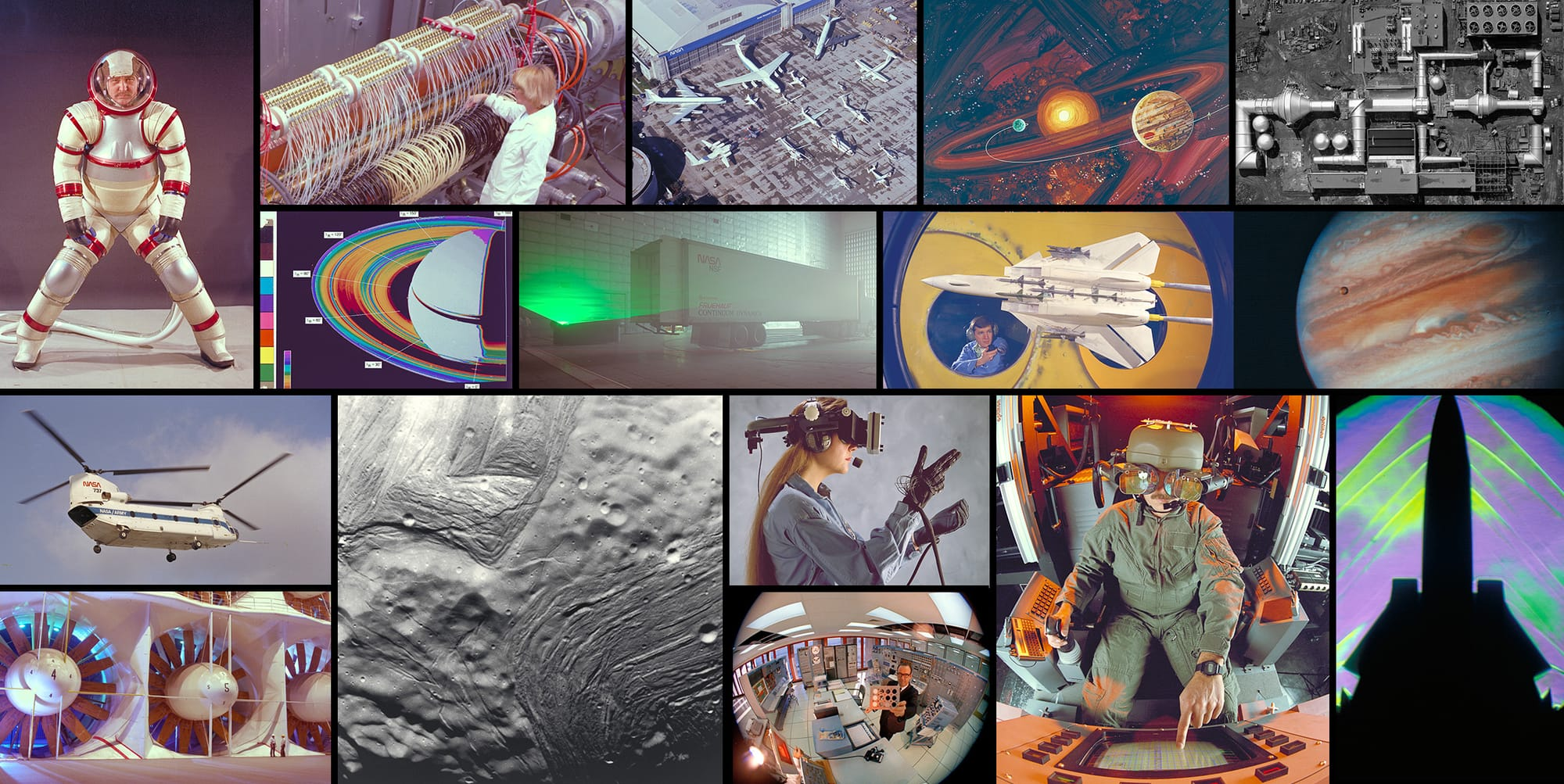
Linkpost: Beautiful Public Data
A collection of data, artefacts, and visualisations from American public institutions
https://www.beautifulpublicdata.com
-
Linkpost: Botticelli v Warhol – 2025 Cultural Heritage Conference in Florence
IP Kat (which is very much the blog to follow on legal news regarding so called intellectual property) published a 2 part guest post summarizing this conference in Florence:
-
Linkpost: 10 years of pomological watercolors
10 years ago, Parker Higgins called for the publishing of a collection of pomological watercolors, click through for the details (but this is pretty famous in my corner of the internet): https://parkerhiggins.net/2025/04/10-years-of-pomological-watercolors
What struck me while reading the 10-year-anniversary post was this quote:
Through a handful of FOIA requests I’d learned that the images had been meticulously digitized and put online for purchase, but that less than 100 pictures had been sold that way — not nearly enough to justify the paywall.
We previously wrote about the ongoing attempts at selling access to cultural heritage digitalisations that have long entered the public domain, as long as they’re owned by museums.
The fundamental issue is that while it might be nice to generate revenue both for the institutions conserving the artifacts, and for the people doing the digitalisation (that’s us, ideally), there is simply not enough willingness to pay.
There is also the moral question of creating a class of works which never truly join the public domain, but I’ve found it quite hard to argue with people about this, apparently the public domain is not a self-evident good thing for everyone.
And of course there’s the latest hype, AI, which allows people both to attempt to profit from the public domain (by using it to train their models) and to trivially bypass paywalls (by just generating another image). This complicates the argument for the public domain, at least for those whose benefits are not self-evident.
Yet, those benefits are there, and they are great.