We’ve started using some small Python utility scripts to speed up our work in Blender.
We’ve put them on GitHub with a GPLv3 license: https://github.com/xorgol/e-muse_blender_utility_scripts/
Blog
-
Blender utility scripts
-

BCC Arte & Cultura second edition launch
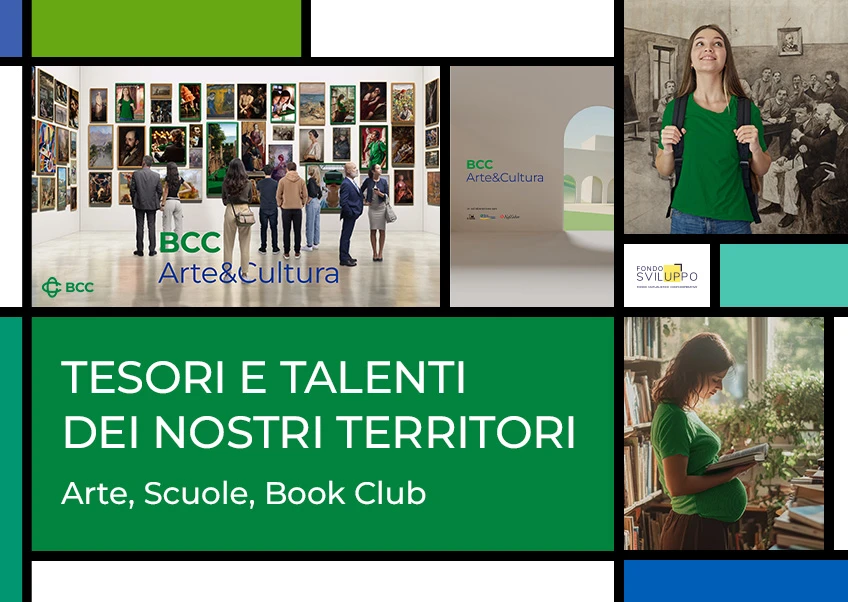
This morning at the MUDEC in Milan, they presented the new edition of BCC Arte & Cultura, for which we digitized tens of artworks, and created a 3D gallery: here is the official report
-

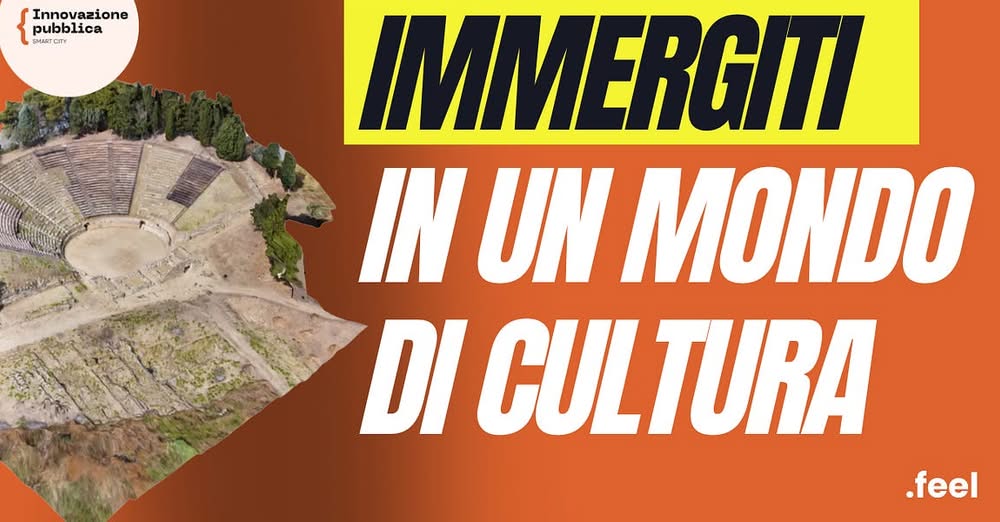
Media appearance: Innovazione Pubblica
After we went to SmartExpo in Rho, they wrote about us in the InnovazionePubblica Substack:
https://innovazionepubblica.substack.com/p/immergiti-in-un-mondo-di-cultura?r=5gfls9
-
Double presentation at MiniDigital Festival

On october 17th we gave two presentations and a few demos at MiniDigital Festival at the University of Parma. We had to use the room’s computer setup due to the streaming setup, which complicated the demo quite a bit, but we made do.
The recordings are available on LinkedIn, starting at around 2h50min.
Sadly it requires a LinkedIn login.
-
Linkpost: brilliant 3D webgame
This has been making the rounds of all the popular link aggregators, and it is truly brilliant: https://messenger.abeto.co/
This is truly a reference of everything we’re striving for, it’s just that we also want to support VR headsets.
One of the creators has a talk explaining how they work:
-
We won a hackaton

This weekend we took part in this hackaton called Hack4Culture: https://officineonoff.com/hub-up-hack4culture-noi-siamo-rigenerazione/
On Saturday morning, we all met up in the main hall of Laboratorio Aperto, where we shown “inspirational examples”, which were Chiesi Gardens, Start Working Pontremoli, and Kilometro Verde Parma (the latter sounds mostly like green washing to me).
Then, there was a brief lesson on strategic planning. It started with the impact we wanted to see in the community. Working backwards, we defined what resources we needed to perform activities, what outputs these activities needed to have, and what would be the outcomes that would lead to the desired impact.
This “canvas” was really not as backwards as it first looked, but it’s very much one of those “you’re selling holes, not drills” kind of things. Following the canvas scheme was one of the 5 parameters that we were told we would be graded on.
Participants could choose between three case studies, and we had to come up with a project and a communication strategy for it. Two of the case studies were about co-working spaces operated by On Off, one in the city, and one in the plains.
The third was brought forth by another participant, and it was called Radio Pablo, a community podcasting project aimed at giving a voice to the youth of the Pablo neighborhood, here in Parma. As soon as we heard about this, my mind started swimming with lofty ideas of decentered and geo-located audio distribution systems (I had in mind something like https://blind.wiki/).
In practice, it was all about making a good pitch for the project, so we started filling out the “canvas”, and checking every box in the evaluation scheme.

What was interesting was working with people we didn’t know at all, and finding a synthesis between their genuinely original ideas, and the strategic elements that the judges commented positively about. At one point, we pretty much restarted from scratch when a teammate pointed out that our approach was to have the youths perform work that we deemed important, and to assume that they needed to be taught, almost like they needed to learn a job.
Saturday evening, we presented our improvised pitch to the mentors, who had very kind things to say, and who pointed out what questions were left hanging.
After that, Benedetta redid the slide show with coherent graphics, incorporating the advice of the mentors, and we headed to the pub.
On Sunday morning, 20 minutes before we were supposed to present our pitch, the team hastily changed the tone and order of the presentation, making it more energetic, and switching from just one speaker to a more dialogic format. In the final scheme, the presentation started with a fierce appeal to emotions, followed by Benedetta explanation of the planning and practical steps needed to bring the project to fruition.

Here is the presentation with which we won the first prize. An NGO (APS) will have to be formed for handling the project and actually getting the money. We’re excited to work on this project for real, for now we have this tiny demo of how we want the public history part of the website to look: https://e-muse.it/portfolio/pablo/
Honestly, if I were a judge I would have voted for Team 3, which did end up winning both the second prize and the special prize for projects targeting “interior areas”.
A big thank you to the organizers, and to all other participants, it was great meeting people with such a wide array of skills and perspectives.
There’s also an instagram reel about the event: https://www.instagram.com/p/DPve_DDDBXx
-

Smart Expo – Rho – 2025-09-27
We were invited to set up a stand in this fair about digital innovation, organised by https://www.feel.community/


As is often the case, kids where the ones most interested in VR.

For the occasion, we came up with an interactive way of showing our BCC Arte & Cultura 3D Gallery, by 3D-printing the terrain and pavilions, and sticking QR codes on the parts.
-

Linkpost: EU Report calls on Member States to accelerate Digitisation of Cultural Heritage
From June 2025: The European Commission has published the report “The Future of Europe’s Past – Why Member States must do more to advance digitisation for Cultural Heritage”.
Direct link to the report: https://op.europa.eu/en/publication-detail/-/publication/8d2435d7-31fe-11f0-8a44-01aa75ed71a1
If you or your organization need help with you Cultural Heritage digitisation efforts, you know where to find us!
-

Linkpost: Beautiful Public Data
A collection of data, artefacts, and visualisations from American public institutions
https://www.beautifulpublicdata.com